Blog Details
Can Yak Chews Cause Diarrhea in Dogs? A Complete Guide
If your dog has suffered from having diarrhea after eating a yak chew, don't panic. This is a common occurrence and you probably got to this page after Googling a variation of "yak chew diarrhea dog" late at night in a state of distress. Don't worry. In most instances, this is just a minor, temporary problem with an easy-to-understand cause.
In this article, we're going to discuss the causes of diarrhea after consuming a yak chew, who is most likely to have problems with these treats, whether or not you should be concerned about this and what can you do to prevent it from happening again.
What Is a Yak Chew?
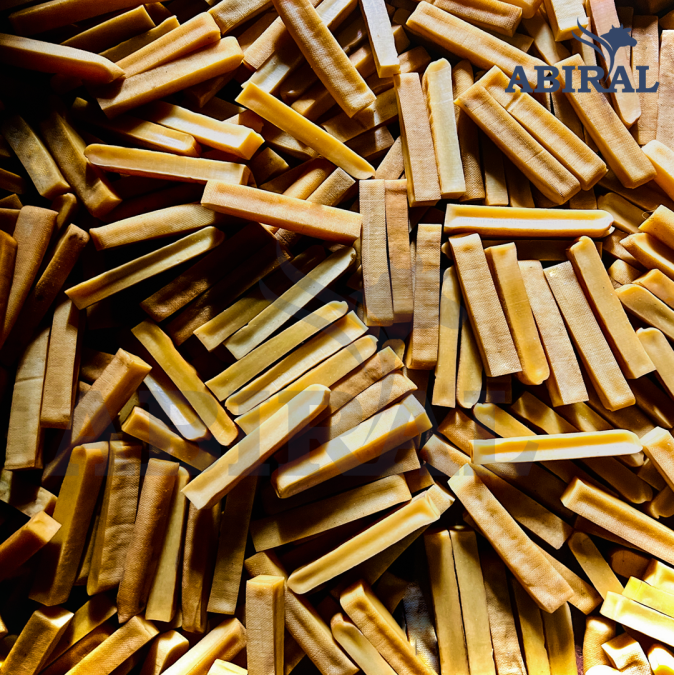
Yak chew (also known as Himalayan Yak Chew, Himalayan dog treat, or churpi chew) is an extremely hard, cheese-like chew that is made of yak and cow milk, some salt and lime juice. The process of its production is an old Himalayan tradition which has been used for centuries and consists of boiling, pressing, drying, and smoking the milk to turn it into a hard stone-like block.
Because it's made from just a handful of natural ingredients, it's often seen as a healthier alternative to rawhide or heavily processed chews. Dogs tend to love them since they last a long time, and they're genuinely good for scraping plaque off teeth while a dog chews. But like any rich, dense treat, they can occasionally cause stomach trouble, and diarrhea is the most common complaint owners report.
Why Do Yak Chews Sometimes Cause Diarrhea?
There isn't just one reason. Usually, it's a combination of a few things:
1. It's rich in protein, and dogs often eat it fast
Yak chews are packed with protein and a bit of fat. If your dog wolfs down a big piece quickly instead of slowly gnawing on it, their gut gets more of it than it can handle at once. That extra load pulls water into the intestines, and loose stool follows, usually somewhere between 6 and 24 hours after they've had it.
2. It's a dairy product, and not every dog handles dairy well
Yak chews come from milk, so they naturally contain a small amount of lactose. Some dogs simply don't produce enough of the enzyme needed to break lactose down properly. For these dogs, even a modest piece can trigger loose stool, gas, or an upset tummy, much like how some people get a reaction from cheese or milk.
3. Big chunks get swallowed instead of chewed
Some dogs aren't patient chewers. They bite off a large piece and swallow it whole rather than working it down slowly. Big, hard pieces are harder to digest and can irritate the stomach lining or gut on the way through, which can lead to diarrhea, vomiting, or in rare but serious cases, a blockage.
4. It's a brand-new treat for their gut
Just like introducing any new food too quickly, giving your dog their very first yak chew (especially a big one) can catch their digestive system off guard. Their gut hasn't had a chance to adjust yet.
5. Their stomach was already a bit sensitive
Dogs with existing food sensitivities, allergies, or a generally touchy digestive system are simply more likely to react to any rich or new treat, yak chews included.
Is This Actually Common?
Here's some reassurance: most dogs chew on yak chews their whole lives without any issue at all. When diarrhea does happen, it's almost always mild and clears up within a day or two on its own, as long as your dog is still eating, drinking, and acting like themselves.
The thing to genuinely watch for isn't the diarrhea itself; it's how your dog is chewing. A dog that swallows big, sharp-edged chunks is at risk of a blockage or choking, which is a much bigger deal than an upset stomach. That's really the main safety issue with any hard chew, not just yak chews.
Other Stomach Issues Yak Chews Can Cause
Diarrhea usually shows up alongside, or instead of, a few other things. Here's what else to watch for:
- Vomiting: usually happens sooner, within a few hours, often from swallowing a large piece or eating too much too fast.
- Gas or a gurgly belly: small amounts of undigested lactose can ferment in the gut, which just means a bit of extra gas for a day or so.
- Constipation: less common, but the calcium in yak chews can occasionally firm up stools too much if a dog has a lot of it.
- Choking or blockage: the more serious risk, and the reason supervision matters more than anything else on this list.
Signs to Keep an Eye On
After your dog has had a yak chew, watch for:
- Loose or watery poop
- A bit of gas or a bloated tummy
- Vomiting
- Low energy, or skipping meals
- Straining when they try to go
If your dog just has soft stool but is otherwise eating, drinking, and behaving normally, they're probably just working through a mild reaction and should be back to normal within a day or two. If it drags on longer than that, or something feels off, it's worth a call to your vet.
How to Stop It From Happening Again
The good news is that most of this is preventable. Here's what actually helps:
- Go small the first time: If it's your dog's first yak chew, give them a small piece and see how their body handles it before offering more.
- Match the size to your dog: A chew that's too small for a big, determined chewer gets finished (and swallowed) too fast. Pick a size that suits your dog's breed and chewing style, and always size up rather than down if you're unsure.
- Stay in the room: Keep an eye on your dog while they're chewing so you can take the piece away once it gets small enough to be a choking risk.
- Don't overdo it: A yak chew is a treat, not a daily habit, especially for dogs with a sensitive stomach. A couple of times a week is plenty for most dogs.
- Buy from a trustworthy source: Chews made the traditional way, with just a few natural ingredients and no shortcuts, tend to be gentler on sensitive stomachs than cheaper, mass-produced versions.
- Know your dog: If your dog has had dairy issues before, or a generally sensitive gut, talk to your vet before starting yak chews, or ease in very slowly with tiny amounts.
Yak Chews vs. Rawhide vs. Bully Sticks
If you're comparing up chew options, here's a simple side-by-side comparision:
|
Yak Chew |
Rawhide |
Bully Stick |
|
|
Made from |
Yak & cow milk |
Cattle hide |
Bull pizzle |
|
Digestibility |
Good, breaks down in stomach acid |
Poor, often passes through mostly intact |
Good |
|
Fat content |
Low |
Low |
Higher |
|
Common risk |
Mild diarrhea if overeaten fast |
Swelling and blockage if swallowed |
Odor, some pathogen risk if low quality |
|
Chew time |
Long-lasting |
Moderate |
Moderate |
Yak chews generally digest more easily than rawhide, which is one reason they're a popular "natural" swap. That doesn't mean they're risk-free, just that the risks are different and, in most cases, easier to manage with the right size and a bit of supervision.
What To Do If Your Dog Already Has Diarrhea
If it's already happened, here's a simple plan:
- Take the chew away so they don't have any more of it.
- Keep fresh water available so they stay hydrated.
- Offer a bland meal for a day or two, like plain boiled chicken and white rice.
- Skip other rich treats until things settle back down.
- Keep watching them over the next day or two.
Call your vet if the diarrhea lasts more than two days, if you see blood in the stool, if your dog is vomiting repeatedly, or if they seem weak, in pain, or just not themselves.
Conclusion
Yak chews are a genuinely good, natural treat that most dogs handle just fine, and the occasional bout of diarrhea usually comes down to portion size, chewing speed, or a stomach that just needs a slower introduction. Start small, keep an eye on your dog while they chew, and choose a chew made the traditional way with simple, honest ingredients. Do that, and most dogs get all the good stuff, healthier teeth, hours of happy chewing, and a genuine treat, without the tummy trouble.
If you're ever unsure whether yak chews are right for your dog, a quick chat with your vet is always the safest first step.
Looking for a Reliable Yak Chew Supplier?
For pet stores, distributors, and private-label brands, the right supplier makes sourcing easier. At Abiral Himalayan Dog Chew, we focus on consistent quality and a traditional yak chew manufacturing process. We also offer a simple ordering process and private labelling service for businesses looking to build their own product range.
Explore our wholesale yak chew solutions and find the right option for your business.
Frequently Asked Questions
Are yak chews safe for puppies?
Most vets suggest waiting until a puppy is at least 6 months old, once their teeth and digestion are a bit more developed, and starting with a small, soft piece.
How long does yak chew diarrhea usually last?
For most dogs, it clears up within 24 to 48 hours, especially with a bland diet and plenty of water.
Can I give my dog a yak chew every day?
It's better as an occasional treat, a few times a week, rather than a daily habit, especially for dogs with sensitive stomachs.
Is it the lactose or the fat that causes the upset stomach?
Both can play a part. Lactose sensitivity affects some dogs, while others simply react to eating too much rich, dense chew too quickly.
What size yak chew should I get for my dog?
As a general rule, smaller dogs need smaller chews and shorter chewing sessions, while larger, more determined chewers do better with a bigger size so they can't finish it too quickly.