Blog Details
Can a Yak Chew Really Fight Plaque and Tartar in Dogs?
Most dogs never see a toothbrush. Not once in their whole life. And yet somehow we expect their teeth to stay clean.
That's the gap chew treats try to fill. Yak chews come up a lot in that conversation. Vets mention them. Groomers recommend them. Dog owners swap tips about them online. But do they actually do anything for plaque and tartar? Or is this just something that sounds true because everyone repeats it?
Let's break it down.
Plaque and tartar are two different problems
First, a quick distinction. It matters more than you'd think.
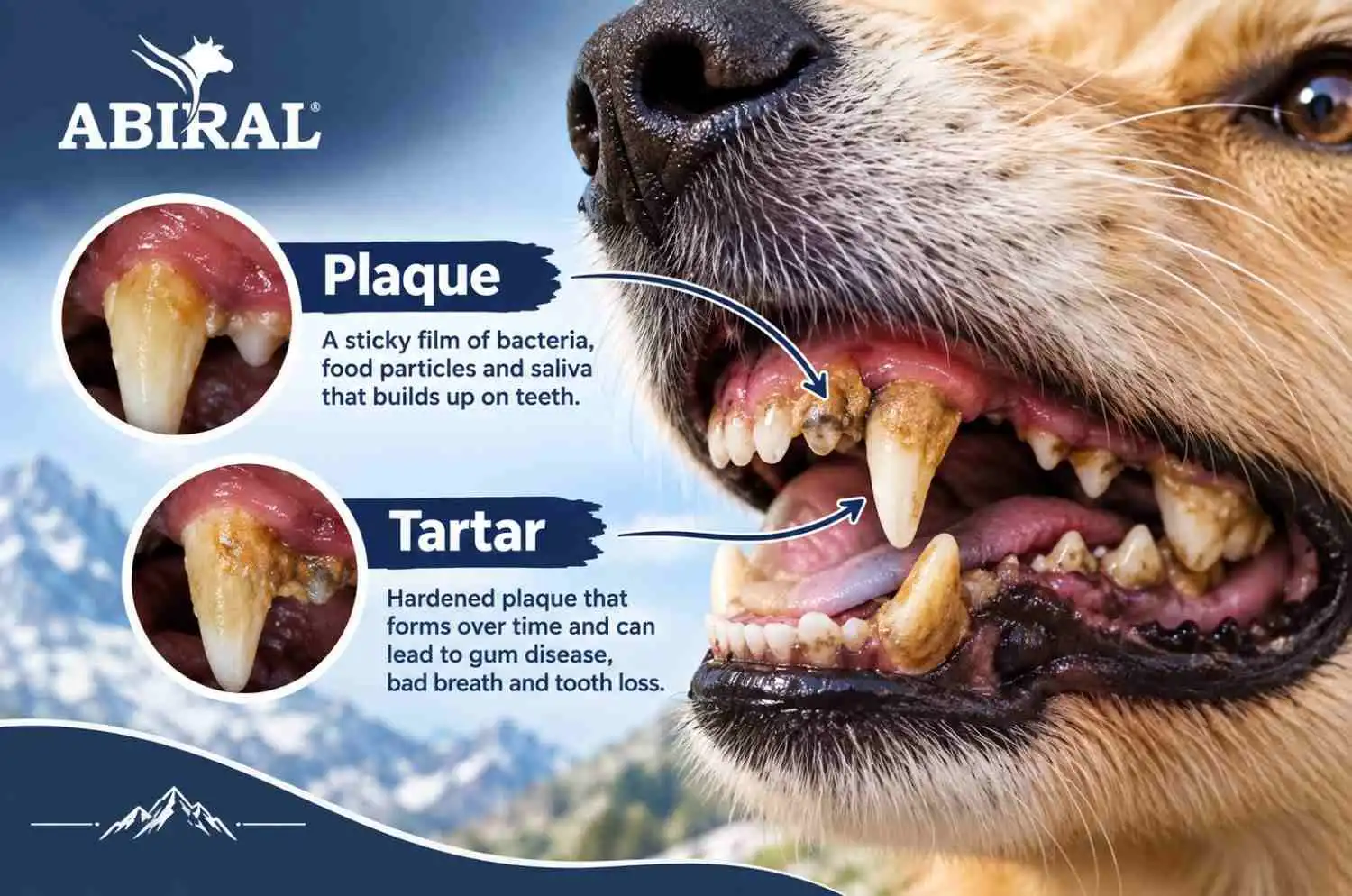
Plaque is soft. It's a sticky film that builds up on teeth within hours of eating. At this stage, it's still easy to remove. Brushing works. Chewing works. Even saliva does some of the job on its own.
Tartar is different. Give plaque a few days, and minerals in your dog's saliva harden it. That's tartar, sometimes called calculus. You've probably seen it, that yellow or brown crust along the gumline. Once plaque turns into tartar, chewing won't remove it. Brushing won't either. At that point, only a vet can clean it off.
So "cleaning your dog's teeth" really means two different things. Stopping plaque is something you can do daily. Removing tartar once it's already there needs a professional.
What Chewing Actually Does
Chewing isn't just something dogs do to pass time. It does real work on their teeth.
When a dog gnaws on something firm, the chew rubs against the tooth surface. That friction scrapes off plaque before it has time to harden. Chewing also gets the saliva flowing. More saliva means more of the natural enzymes that help fight bacteria on the teeth.
This is the whole idea behind dental chews, rope toys, and yak chews too. It's basically a toothbrush, just without the toothpaste.
Where Himalayan Yak Chews Come In
Yak chews are made from dried, hardened milk. Usually yak and cow milk, mixed with a little lime juice and salt. That process makes them dense. Really dense. And that's the whole point.
A soft treat gets swallowed in seconds. There's barely any scraping involved. A yak chew is different. Dogs can work on one for hours. All that extra chewing time means more scraping against the teeth, which means more plaque removed.
The texture helps too. As your dog works through the chew, the surface turns slightly rough and fibrous. That adds a bit more friction against the teeth. Vets who recommend natural chews usually point to this combo: long chewing time, plus a firm texture.
Can a Yak Chew Remove Tartar that's Already There?
Here's where people expect too much. Chewing is great at slowing plaque down before it hardens. It's not great at removing tartar once it's already formed. And the difference matters more than most owners realize.
Tartar isn't just stuck-on food or dirt. It's mineralized. Over time, calcium and other minerals in saliva bond with the plaque and turn it into a hard shell on the tooth. Once that happens, tartar isn't sitting on the tooth anymore. It's practically part of the tooth's surface. No amount of gnawing changes that. Not a yak chew. Not a bully stick. Not even the hardest dental chew on the market.
Think of it like trying to scrape dried cement off a sidewalk with your fingernail. Soft debris comes off easily. Something that's already hardened doesn't budge, no matter how much you scrape at it.
If your dog already has a visible crust along their gums, usually a yellow or brownish buildup near the gumline, a yak chew won't fix it. That kind of buildup needs a real dental cleaning, done by a vet, usually under anesthesia so they can scale below the gumline safely. No chew treat, however tough, replaces that step once tartar has already set in.
This is really the whole difference between managing plaque and removing tartar. Plaque is a daily battle you can influence at home, through chewing, brushing, or both. Tartar removal is a medical procedure, not a home fix.
Where yak chews really earn their reputation is prevention, not correction. A dog that chews regularly builds up far less tartar in the first place, simply because the plaque underneath never gets the chance to sit long enough to harden. Give a dog a yak chew a few times a week, and you're constantly interrupting that plaque-to-tartar process before it ever gets started. That's the real value here. Not removing tartar, but making sure it has a much harder time forming.
So if your dog's teeth are already clean, yak chews are a strong tool to keep them that way. If tartar has already built up, chewing won't undo it, but it's still worth starting, since it helps prevent things from getting worse after a professional cleaning.
How to Get the Most Out of It
A few habits make a real difference here.
- Give chews often, not just once in a while. One chew a month won't do much. A few times a week is where you start seeing results.
- Pick the right hardness. Too soft, and it's gone before it does any work. Too hard, and you risk a cracked tooth instead. You want steady gnawing, not a race.
- Notice how your dog chews. Some dogs favor one side of their mouth. That side gets more cleaning than the other. Switching up how you offer the chew can help even that out.
- Pair it with brushing if you can. Chewing helps a lot. It's just not a full substitute for brushing. Dogs that get both usually have the cleanest teeth.
A simple way to check progress
You don't need a vet visit to get a rough idea. Run your finger along your dog's back teeth every couple weeks. Smooth means things are going well. Gritty or rough near the gumline usually means plaque is winning. That's your sign to add more chewing time, start brushing, or both.
Conclusion
Yak chews won't erase tartar that's already hardened. Nothing chewable will. But when it comes to slowing plaque down before it gets that far, the long chewing sessions they encourage do real work.
Think of them as daily maintenance. Not a cure. Kind of like brushing your own teeth doesn't undo years of neglect, but it does stop new problems from starting.
For most healthy adult dogs, a firm chew a few times a week is a simple way to keep plaque under control. And most dogs are pretty happy to help out with that one.
Looking for a Trusted Yak Chew Supplier?
Abiral Himalayan Dog Chew has been making authentic Himalayan yak milk dog chews in Nepal using traditional methods, natural ingredients, and no artificial preservatives. We export to pet brands, retailers, and distributors across the UK, USA, Canada, Japan, and beyond, with reliable supply and consistent quality on every order.
Whether you're sourcing for a growing pet brand or looking for a dependable private label partner, Abiral Himalayan Dog Chew offers bars, nuggets, puffed chews, and more, all backed by traditional craftsmanship and export-ready quality standards.
Get in touch to discuss bulk orders and private labeling →
Frequently Asked Questions (FAQs)
1. Do yak chews remove plaque from dogs' teeth?
Yes. As your dog chews, the friction scrapes off the soft plaque before it hardens. The longer they chew, the more plaque gets removed.
2. Can yak chews remove tartar once it's already formed?
No. Tartar is hardened plaque, and it's bonded to the tooth. Chewing can't break that down. Only a professional cleaning at the vet can remove tartar that's already there.
3. How often should I give my dog a yak chew for dental benefits?
A few times a week works well for most dogs. Giving one only once a month won't do much for their teeth. Regular chewing is what makes the difference.
4. Are yak chews better than dental chews or dental sticks?
Yes, yak chews are often considered better in comparision to other dental chews.They work on the same basic idea, chewing scrapes off plaque. Yak chews just last a lot longer than most dental sticks, so your dog gets more chewing time out of each one.
5. Can yak chews replace brushing my dog's teeth?
Not fully. Chewing helps a lot, but brushing reaches areas a chew can't, like the inside surfaces of the teeth. Dogs that get both usually have the cleanest teeth.
6. Does yak milk chew cause diarrhea in dogs?
It can, usually from overconsumption or introducing it too fast. Most cases are mild and settle with smaller portions and slower introduction. Read more about why yak chews cause diarrhea in dogs and how to prevent it.
7. How do I know if my dog already has tartar buildup?
Look along the gumline. Tartar usually shows up as a yellow or brown crust that doesn't come off when you rub it. If you see this, a chew won't remove it, and it's worth a vet visit.
8. Do soft chews help with plaque the same way yak chews do?
Not really. Soft chews get swallowed too quickly to do much scraping. The firmness and chewing time of a yak chew is what makes it more effective for plaque control.
9. Can puppies use yak chews for dental health?
Most puppies should wait until their adult teeth are in before trying a full-hardness yak chew, since their baby teeth are softer and more sensitive.
10. Are yak cheese chews safe for dogs?
Yes, for most healthy adult dogs when given the right size and supervised properly. Puppies, seniors, and dogs with dental issues need extra care. See this full guide on yak chew safety for dogs.
11. Will chewing on a yak chew hurt my dog's teeth?
For most healthy adult dogs, no. But very aggressive chewers can be at risk of a cracked tooth from any hard chew, yak chews included. Picking the right size and hardness for your dog's chewing style matters.
12. How long does it take to see a difference in my dog's teeth?
It varies by dog, but many owners notice smoother, cleaner-feeling teeth within a few weeks of regular chewing. Consistency matters more than any single chewing session.