
Blog Details
Are Yak Chews Safe for Dogs? Safety Insights & Vet Tips
Are yak chews good for dogs? This question always arises regarding the health and safety of dogs. Yak chews are safe and considered a good treat for dogs. Yak chews are organic, long-lasting treats that are made in a traditional way from hardened and dried yak and cow milk, salt, and lime juice. The chews are hard, smell and preservatives free, and become softer as the dog gnaws on it.
Recently, it is becoming a popular choice among dog owners as it's rich in protein and calcium, easy to digest, and lower in fat. The chews also support oral hygiene by reducing plaque and tartar, and tend to last longer than most other chews. Further, it has also become a first choice because they are made with few ingredients, and don’t splinter like bones or rawhide.
In this blog, we will talk about yak’s chews safety for dogs, benefits, and its risks.
Generally safe for: healthy adult dogs, supervised chewing, moderate chewers.
Use caution / avoid for: puppies under 4 months, senior dogs, dogs with dental issues, and aggressive chewers.
What Exactly Are Yak Chews?
Yak chews are dried tough, all-natural, dog chews produced from milk that has undergone the processes of curdling and pressing. During the chewing process, as the dog gnaws, the sweet slowly melts down making it both chewy and long-lasting. They are produced in the traditional himalayan recipe that uses yak or cow milk mixed with a small amount of lime juice and salt. This old practice has been passed on for centuries in order to preserve milk. There is an authentic process for making yak chews in Nepal that has been passed down from generations.
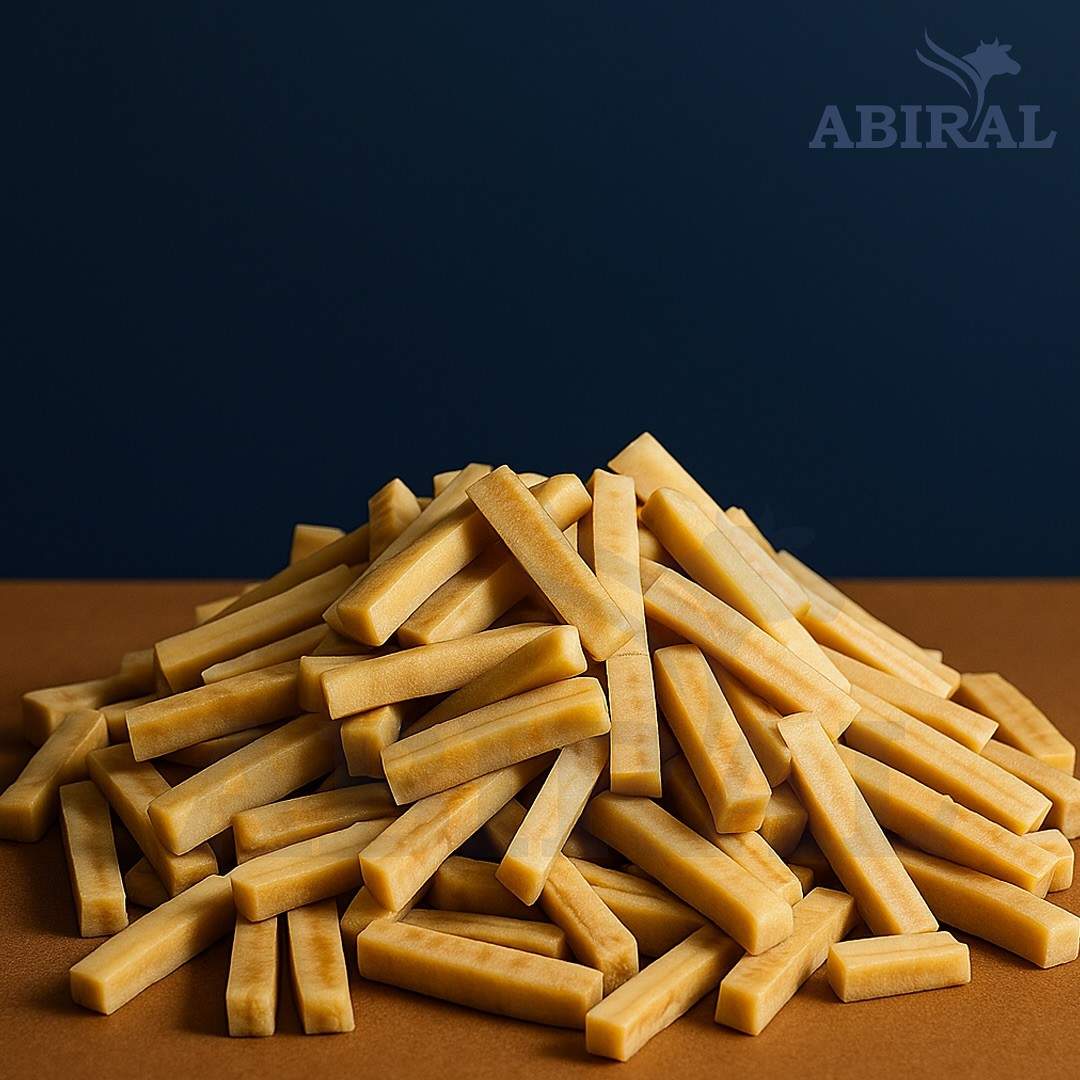
Historically, these solidified milk bars were only consumed by the people living in the Himalayas as a protein-rich treat. Eventually, the recipe was adopted for dogs, resulting in the tough chews that are widely sold today. Further, yak chews are also known as “Himalayan dog chews” since their origin is from the Himalaya, particularly Nepal, and its surrounding nations.
Why Yak Chews Have Become So Popular Worldwide
The yak milk chews are increasingly becoming popular among dog owners looking for natural and less processed treats for their pets. These treats are made using a few ingredients and prepared in a traditional way, that align perfectly with the ongoing trend towards simpler, and more transparent pet products.
Many dog owners are also reducing the use of rawhide and heavily artificial chews due to their concerns about digestibility and chemicals. Yak chews, on the other hand, are considered as a natural alternative that is not only easier to digest but also free from any harmful chemicals. Additionally, they last longer than most of the soft treats and dogs love long chewing sessions. Also, yak chews are low-odor and create little mess, making them convenient for indoor use.
How Do Yak Chews Compare to Other Chews?
Yak chews aren't the only long-lasting chew on the market. Here's how they compare to some other popular options.
| Chew Type | Hardness | How Long It Lasts | Digestibility | Best For |
|---|---|---|---|---|
| Yak Chews | Very hard | Weeks | Softens as your dog chews it, easy to digest | Adult dogs with healthy teeth, moderate to heavy chewers |
| Rawhide | Medium to hard | Days to weeks | Can be hard to digest, may cause blockages | Light chewers, always with supervision |
| Bully Sticks | Medium | Hours to a few days | Fully digestible | Puppies, seniors, and gentler chewers |
| Antlers | Extremely hard | Months | Doesn't break down or digest | Heavy chewers only, with a higher risk of tooth damage |
Are Yak Chews Safe for Dogs? Safety Insights
Yak chews can be a healthy and natural treat for dogs, offering benefits like high protein content, long-lasting chewing, and support for dental health. However, they are very hard, which can create safety concerns for some dogs, including broken teeth, choking on small pieces, or digestive issues in dogs sensitive to dairy. Here are some safety concerns regarding yak chews.
1. They Are Very Hard
Yak chews are extremely hard and dense, making them long lasting chewing, and creating a difficulty for aggressive chewers. The hardness may cause stress to their teeth and, in some cases, even lead to cracked or broken teeth.
2. Choking Risk With Small Pieces
Yak chews are large and hard pieces that slowly get smaller as the dogs chew them. These small bits can occur as a choking hazard if the dog mistakenly swallows a piece whole. So, it is recommended for owners to take away the chew once it gets too small for safe chewing.
3. Not Ideal for Every Dog
These chews are not meant for all dogs. Puppies, elderly dogs, or dogs with bad teeth might need softer treats. So, dog owners should always think about their dog’s weight, age, and chewing behaviour prior to giving them a yak chew.
4. Digestive Sensitivity
Overconsumption of yak chews might lead to stomach upset even though they are considered safe. It is advisable to introduce the chews slowly and track the dog's reaction to maintain their safety.
In summary, yak chews are a protein-rich, low-fat treat that keeps dogs chewing longer and helps reduce plaque buildup, but there are some safety concerns that need to be monitored by the pet owners.
For bulk orders, partner with Abiral Himalayan Dog Chew, a Nepal-based manufacturer and supplier of premium yak chews exporting to UK, USA & Canada.
Vet Opinions on Yak Chews for Dogs
General Veterinary Stance on Yak Chews
The majority of the veterinarians consider that yak chews are safe for dogs if offered under supervision. Even with hard chews, the safety largely depends on the dog’s nature and not the product itself. Its safety is mainly determined by a dog’s oral health, chewing manner, and age.
In general, yak chews are considered as a natural, lasting alternative to highly manufactured chews, especially when dog owners supervise their chewing session closely.
Why Veterinarians Recommend Moderation
Veterinarians suggest that depending on the situation, dog owners should give yak chews in moderation rather than as a daily chew. Dog’s teeth get stressed if they chew hard objects for long periods of time. The risk of tooth wear, chips, or fractures increases for dogs that chew aggressively, leading to sensitive gums.
For this reason, professionals emphasize the importance of the right chewing technique, allowing dogs to enjoy the balance between dental benefits and tooth safety.
Importance of Supervision During Chewing
Vets highly recommend that dogs should be supervised all the time during their yak chews chewing session. This constant monitoring allows owners to be alert when a dog has been chewing too hard or when a piece of chew is breaking into unsafe pieces. Supervision protects the dogs from the risk of choking or suffering from digestive problems since they won’t be swallowing large or sharp pieces.
So, as a dog owner, they will have a better idea of how long the chew is safe for their dog. Furthermore, yak chews should be discarded at the moment they become small enough to be swallowed whole to avoid any unseen risk.
How to Give Yak Milk Chews to Dogs Safely
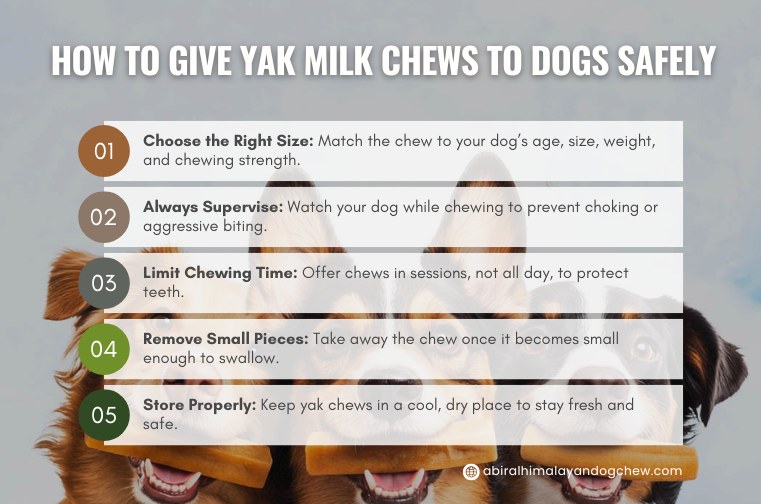
Some of the things you should consider when giving yak chews to dogs safely are listed below:
- Before purchasing a chew, always select a yak chew that is suited for your dog’s size, age, weight and dental power. A chew that is too small could potentially become a choking hazard, while the one that is too big might be difficult for your dog to manage safely.
- As a dog owner, you should always monitor when the dog is chewing a yak chew. This will help to avoid aggressive chewing, choking or swallowing of large pieces that could cause injury.
- Chews should be given for a certain period of time, even the most long-lasting chews should not be given all the time. Limiting chewing sessions will preserve teeth from excessive cracks, wear, and fractures.
- Once the chew shrinks down to a small nub, don't just throw it away. You can turn it into one last safe treat. Soak the small yak chew piece in warm water for a few minutes until it softens and microwave it in short bursts of about 30 to 45 seconds. The heat makes the piece puff up into a light, crunchy snack. It's soft and easy to chew, so there's no choking risk like there is with the hard leftover piece. Let it cool down before giving it back to your dog.
- Lastly, make sure to store yak chews in a cool and dry place to keep them fresh, and to prevent mold and spoilage. Storing them correctly will make sure your dog has a safe and long-lasting treat.
Ready to give your dog a long-lasting chew? Shop our vet-recommended yak chews for a satisfying, natural chewing experience. Explore our Himalayan yak cheese chews.
Choosing Vet-Approved, High-Quality Yak Chews
Vets suggest the use of yak dog chews with easily recognizable components that are made from simple and clearly labeled ingredients. This would inform owners about the exact content of their dog’s food. And, yak chews that have excessive whitening, or use of heavy chemical processing, such as artificial preservatives and fillers, should be well avoided.
In addition, many veterinarians recommend that dog owners should prefer chews which are lab-tested and sourced from well-known manufacturers who prioritise high quality standards.
Veterinarians agree that yak chews can be beneficial when used responsibly. Proper sizing, supervision, and moderation are key to making them a safe part of a dog’s routine.
At what age can dogs have Yak Chews?
Most puppies should start having yak chews around 4 to 6 months old, and adult dogs of all ages can enjoy them safely if supervised and sized appropriately.Yak chews are optimal for a special group of dogs, including adult ones, who have healthy teeth and love to chew but are not powerful chewers. They are also the perfect choice for dogs that need enrichment to stay engaged and prevent boredom. These chews can still be regarded as a good option for pet owners who want natural, single-ingredient treats that are free from artificial preservatives or fillers.
However, yak milk chews are not suitable for all dogs. Puppies, senior dogs, or dogs with oral problems should either avoid it, as the hardness can pose a risk of tooth damage or other complications. But if you want to give the chews, always give them on supervision.
In summary, yak milk chews are generally suitable for dogs over 4 to 6 months old, once their adult teeth have started to come in. Since yak chews are hard, puppies should only have them under supervision. Senior dogs or dogs with existing dental or oral problems may need to avoid hard chews to reduce the risk of tooth damage or other complications.
Conclusion: Are Yak Chews really safe?
Yak chews can be a healthy and natural chew option for many dogs. They offer benefits like long-lasting chewing, high protein content, low odor, and support for dental health, making them a popular alternative to rawhide and highly processed chews.
That said, yak chews are very hard, which can pose risks such as tooth damage, choking on small pieces, or digestive upset in some dogs. They are not ideal for puppies, senior dogs, or dogs with dental problems.
In summary, the answer is yes, yak chews are good for dogs, but with caution. They work best for adult dogs with healthy teeth when given in moderation, properly sized, and always under supervision. When used responsibly, yak chews can be a safe and enriching treat.
For pet brands and businesses looking for a trusted source, Abiral Himalayan Dog Chew is a reputable yak chew supply company from Nepal to UK. The company offers export services and private label options for markets in the UK, USA, and Canada, ensuring consistent quality, natural ingredients, and reliable supply for brands and retailers worldwide. The company offers a wide variety of yak chews thoughtfully designed for puppies, adult dogs, and senior dogs. From softer nuggets to long-lasting bars and puffed treats, there’s a safe, nutritious option to suit every age, size, and chewing style.
Frequently Asked Questions (FAQs)
Are yak milk chews really safe for dogs?
Yes, yak chews are generally safe when given properly. Also, safety depends on the dog's nature like its age, dental health, chewing habit, and proper supervision. Hard chews, aggressive eating, or swallowing can pose risks if given incorrectly.
How Often Can Dogs Have Yak Chews?
Yak chews should be treated as an occasional treat, rather than every day. Thus, dog owners should chew only once in a while as it helps provide mental stimulation and dental benefits without over stressing teeth.
Are yak chews good for my dog's teeth?
Yes. Chewing on yak chews can help reduce plaque and tartar buildup by gently scraping the teeth as your dog chews. However, yak chews are very hard, so aggressive chewers may have a higher risk of tooth fractures. Always choose an appropriate size and supervise your dog while chewing.
Can Puppies Eat Yak Chews?
Puppies less than 4 months should not be given yak chews as their infant teeth are very soft, and they can easily get injured by the toughness of yak chews. Even if your dog is above 4 months, provide them under supervision.
Can Yak Chews Cause Broken Teeth?
Yes, mostly in aggressive chewers or dogs suffering from dental troubles, However, this can be solved by limiting chewing time to minimize risk and by always monitoring their chewing sessions.
What to Do When Yak Chews Get Too Small?
When the yak chews have reached the size that your dog could swallow it whole, therefore the dog owners must remove it. This will ensure that there is no choking or digestive blockage.
How to Choose High-Quality Yak Chews?
While purchasing chews, dog owners should look for natural-made ingredients that are simple with no artificial ingredients or fillers. Also, select products that are from reputable manufacturers and have undergone laboratory testing for effectiveness and safety.
Can yak chews cause diarrhea?
Sometimes, overconsumption or rapid introduction may lead to mild stomach upset or diarrhea. Limiting the amount and supervising the chewing are measures that can help avoid diarrhea from yak chews in dogs.
Are yak chews safe for small dogs?
If the chew is of suitable size according to the weight and chewing strength of the small dog, then such dogs can have the yak chews. But always keep an eye and get the small pieces removed promptly.
How to know if Yak Chews are not suitable for my dog?
If yak chews are not suitable for your dog, they will show signs of dental illness, digestion upset (vomiting, diarrhea, constipation), and risky aggressive chewing, leading to broken teeth.
Where can I find authentic Himalayan yak chews in Nepal?
Abiral Himalayan Dog Chew is the producer of authentic Himalayan yak chews which are made using a traditional method thus guaranteeing the high quality and safety of the product for dogs.
Can dogs with sensitive stomachs eat yak chews?
Yak chews are accepted by many sensitive-stomach dogs, however it is always recommended to gradually introduce them and watch for any digestive upset.
What type of yak chews variety does Abiral Himalayan Dog chew has?
Abiral Himalayan Dog Chew includes classic yak bars for dog, bite-sized dog nuggets, and puffed up yak chew, dog bone chew, plusdog protein powder for food topping. Their range also features flavored yak chews like apple, strawberry, beetroot, mint and more, giving dogs both nutrition and taste variety.
Recent Posts