
Blog Details
Are HimalayanYak Chews Better Than Other Dog Chews?
Choosing the chew for your dog can be really tough. There are many options out there: rawhide, antlers, dental sticks and newer choices like yak chews. Each type has its fans and critics.. Are yak milk chews actually better than the rest?
The short answer is it depends on your dog. There is no best chew for every pet. What works wonderfully for one dog might not suit another. Your job is to understand what different chews offer and match them to your dogs needs, size and personality.
In this guide we will compare yak milk chews with other popular options. We will look at safety, durability, ingredients and digestibility. By the end you will have the information you need to make the choice for your dog.
What Are Yak Milk Chews?
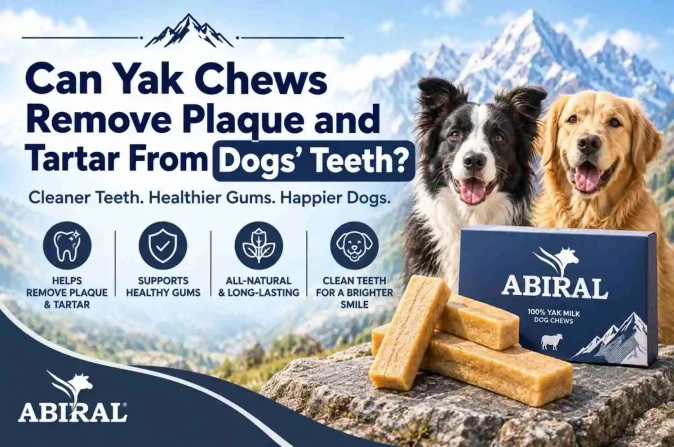
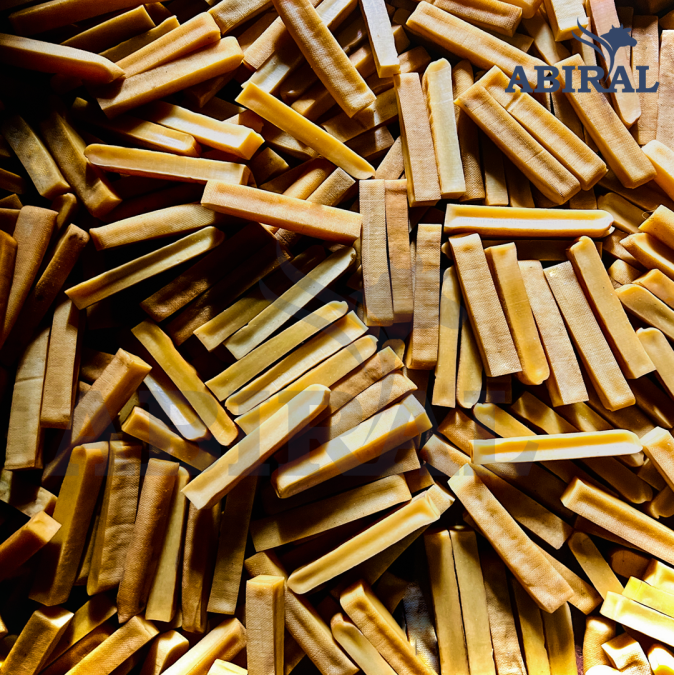
Yak chews are a natural dog treat made from the milk of yaks and cows. They come from the Himalayas, where yak herding's common. The chews are made by processing yak and cow milk into a long-lasting treat. These chews appeal to dog owners because they are made from real food. Unlike some chews yak chews come from a simple source: milk. This natural origin is one reason they have become popular in years.
Traditional Ingredients Used in Yak Milk Chews
The ingredient list for yak milk chews is very short. Most brands contain a few items:
- Yak milk
- Cow milk
- Salt in amounts
- Lime juice as a preservative
That's it. Many yak chews contains four ingredients or fewer. This simplicity is attractive to owners who want to avoid flavors, colors or preservatives. You know what your dog is chewing.
How Yak Milk Chews Are Made
The process of making yak chews starts with yak and cow milk. It is heated, treated and then molded into the shape. The chews are dried slowly to create a long-lasting texture. Some producers say the method has been used for centuries by people in the Himalayas to preserve milk. The result is a natural chew that can last quite a time when your dog works on it.
What Dog Owners Look For in a Chew
Before we compare yak milk chews to options lets talk about what matters. Every dog owner wants their pet to be safe and happy. When choosing a chew dog owners consider these factors:
Safety
Safety is the most important concern. Your dog could choke on a piece that's too big or too hard. You also want a chew that breaks down easily in the stomach if swallowed. Some chews can. Break into sharp pieces. These pose a risk to your dogs mouth and digestive system. Other chews are so hard they can crack teeth. A safe chew breaks down into digestible pieces if your dog gulps it down.
Choking risk depends on your dogs size and chewing style. Small dogs or aggressive chewers need options than large dogs who nibble slowly.
Durability and Chew Time
Dogs have an urge to chew. Chewing keeps them busy reduces boredom and helps clean their teeth. A chew that lasts a time is valuable. If a chew falls apart in five minutes it will not give your dog mental stimulation. If it lasts 30 minutes or an hour you have bought yourself some peace and quiet while your dog enjoys focused activity.
Longer-lasting chews also mean better value for your money. You are not replacing the chew every day.
Ingredients and Processing
Many dog owners prefer natural ingredients over artificial ones. They want to avoid by-products, artificial colors and unknown additives. The way a chew is processed matters too. Some chews are made with chemicals or extreme heat that changes their nutrition. Others are made using traditional methods that keep the food closer to its natural state.
Yak Milk Chews vs Other Types of Dog Chews
Yak Milk Chews vs Rawhide
Rawhide has been popular for decades. It comes from the layer of cow or horse skin. The skin is cleaned, dried and sometimes flavored or formed into shapes.
Key differences:
- Digestion: Rawhide breaks down slowly in the stomach. Yak milk chews digest faster and more completely.
- Processing: Rawhide can be treated with chemicals during production. Yak milk chews use processing.
- Choking risk: Rawhide pieces can get stuck in the throat or intestines. Yak milk chews, including our Blueberry Yak Chew, are generally softer and easier to swallow while still providing a long-lasting chewing experience.
- Ingredients: Rawhide is animal skin. Yak milk chews are made from milk.
Many vets now suggest choosing something other than rawhide because of choking risks and digestion concerns. Yak milk chews offer a safer alternative that your dog can eat fully.
Yak Milk Chews vs Antlers
Antlers are chews made from shed deer or elk antlers. They are hard long-lasting. Some dogs love them.
Key differences:
- Hardness: Antlers are much harder than yak milk chews. This makes them very durable but risky for tooth damage.
- Digestibility: Antlers do not digest well if swallowed. Pieces can cause problems. Yak milk chews break down in the stomach.
- Durability: Antlers last a long time. Yak milk chews are shorter-lasting. Still provide good chewing time.
- Tooth risk: Antlers can crack teeth in older dogs or those with sensitive teeth. Yak milk chews are much softer on teeth.
Antlers work well for some dogs. They are not the safest choice for heavy chewers or dogs prone to tooth problems. Yak milk chews are an option.
Yak Milk Chews vs Dental Sticks
Dental sticks are designed to clean teeth as your dog chews. They are often made from plant-based ingredients with added compounds to reduce plaque.
Key differences:
- Purpose: Dental sticks focus on tooth cleaning. Yak milk chews focus on being a lasting treat.
- Duration: Dental sticks usually fall apart quickly. Yak milk bars are more long-lasting option made from Himalayan yak milk.
- Ingredients: Dental sticks have added chemicals or herbs. Yak milk chews are just milk-based.
- Time: Dental sticks break apart easily. Yak milk chews keep your dog busy
These two chews serve different purposes. If you want dental benefits, choose a dental stick. If you want lasting entertainment and a simple treat, yak milk chews work better.
Yak Milk Chews vs Synthetic or Nylon Chews
Synthetic chews are made from plastic or nylon. They are durable, affordable, and come in many shapes and sizes. Popular brands include rubber and nylon toys designed for heavy chewers.
Key differences:
- Nutrition: Synthetic chews have no nutrition. Yak milk chews are food. Provide protein and calcium.
- Ingredients: Nylon chews are plastic. Yak milk chews are dairy.
- Digestibility: Synthetic chews cannot be digested if swallowed. Yak milk chews digest.
- Cost: Nylon chews are cheaper. Yak milk chews cost more. Are edible.
Synthetic chews are safe if your dog doesn't swallow large pieces. However, they offer no nutrition. Yak milk chews are a better choice if you want your dog to actually eat and digest what they chew.
Benefits of Yak Milk Chews
Natural Ingredients
Yak milk chews are made from food. They contain no colors, flavors or preservatives. The ingredient list is short and easy to understand.
If your dog has allergies or a sensitive stomach simple ingredients are important. You are less likely to trigger a reaction with a treat that contains milk and salt.
Chewing Satisfaction and Mental Stimulation
Dogs naturally want to chew. It is an instinct that helps them stay calm and engaged. A good chew keeps their mind busy. Their body satisfied.
Yak milk chews last enough to provide real mental enrichment. Your dog gets 20, 30 or 45 minutes of focused activity. This reduces behavior like chewing on furniture or shoes.
Digestibility Compared to Chews
One major advantage of yak milk chews is that they break down in the stomach. If your dog swallows a piece it will digest than causing a blockage.
This is very different from rawhide or antlers which can sit in the stomach for days or cause problems. With supervision and appropriate sizing yak milk chews are safer to swallow.
Potential Downsides of Yak Milk Chews
Hardness and Dental Sensitivity
Yak milk chews are very hard. This makes them durable. It can be a problem for some dogs.
Dogs with teeth, older dogs or those with dental disease may find them too hard. A dog could. Break a tooth if they chew too aggressively.
If your dog has this problem you can soften the chew by soaking it in water or broth for a few minutes before giving it. This makes it easier on the teeth while still providing chewing satisfaction.
Not Suitable for Every Dog
Yak milk chews work best for dogs that're healthy and have good teeth. They are not ideal for:
- Small dogs
- Dogs with loose or broken teeth
- Senior dogs with jaws
- Dogs with a history of blockages
- Dogs that gulp without chewing
For these dogs softer chews or those specifically designed for their needs would be better choices. For puppies, small breeds, or dogs that prefer lighter snacks, Puffed Dog Nuggets provide a crunchy and softer yak treat option compared to hard chews.
Safety Tips When Giving Yak Milk Chews
Choosing the Right Size
Size matters. A chew should be large enough that your dog cannot swallow it whole.
Most brands offer sizes for medium and large dogs. For dogs choose the smallest size. Medium dogs benefit from chews. Large dogs can handle the full-size version. When in doubt go larger, than smaller.
Supervision and Chew Monitoring
Always watch your dog while they chew. This is pet ownership. You can catch problems before they become serious.
Watch for signs that your dog is gulping than chewing slowly on the yak milk chew. If they swallow pieces or seem in distress remove the yak milk chew. Never give a yak milk chew as a treat to your dog.
What to Do When the Yak Milk Chew Gets Small
Eventually the yak milk chew will get too small to chew for your dog. You do not want your dog to choke on a piece of the yak milk chew.
When the chew becomes the size of a marble or smaller, remove it. You can save it to soften and crumble for food toppers, or simply discard it.
Some dog owners save the last small piece of yak chew to soak in water and microwave the yak chew to create a puffed chew. This wastes nothing and your dog still gets the benefit from the chew.
Are Yak Milk Chews Better Overall?
When Yak Milk Chews Are a Good Choice
Yak milk chews are an excellent choice if your dog:
- Is a medium to large dog with healthy teeth
- Loves to chew and needs mental stimulation
- Has a sensitive stomach or allergies
- Needs a long-lasting, natural treat
- Will be supervised while chewing
- You want to avoid rawhide or highly processed chews
When Other Chews May Be Better
Other chews might work better if your dog:
- Is very small or has weak teeth
- Needs quick treats rather than long-lasting ones
- Has a history of swallowing without chewing
- You need specific dental-cleaning benefits
- You're looking for the most budget-friendly option
Conclusion
Are yak milk chews better than other types of dog chews? The answer is: they're better for some dogs. Yak milk chews offer real advantages. They're made from simple, natural ingredients. They last a long time. They digest well if swallowed. They provide mental stimulation and satisfy your dog's chewing instinct. However, they're not perfect for every dog. Their hardness makes them risky for small dogs or those with dental problems.
The best chew is the one that matches your dog's age, size, health, and chewing style. Consider your dog's unique needs. Ask your vet if you're unsure. Watch your dog while they chew. With the information in this guide, you now understand how yak milk chews compare to rawhide, antlers, dental sticks, and synthetic options. You can make an informed choice that keeps your dog safe and happy. That's what matters most.
For pet owners and businesses looking for a reliable source of quality chews, it’s worth knowing that Abiral Himalayan Dog Chew is a trusted bulk supplier and manufacturer of authentic Himalayan yak chews from Nepal. With a focus on traditional preparation methods and consistent quality, we support both individual buyers and pet brands seeking to buy bulk yak chews.
Frequently Asked Questions (FAQs)
1. Are yak chews safe for all dogs?
Yak chews are generally safe when given in the right size and under supervision. However, they may not suit very young puppies, senior dogs with weak teeth, or dogs with dairy sensitivities.
2. How long do yak chews usually last?
Yak chews are known for their long-lasting nature. Depending on your dog’s chewing strength and size, a single chew can last from a few days to several weeks with regular use.
3. Can puppies have yak chews?
Puppies can have yak milk chews once their adult teeth start coming in. It’s important to choose a smaller, softer option and always monitor them to avoid any chewing or swallowing issues.
4. Are yak chews better than rawhide for digestion?
Yak chews are often considered easier to digest compared to some rawhide products. Still, every dog is different, so it’s important to observe how your dog reacts and avoid giving large pieces.
5. Can Yak Chews Cause Digestive Problems in Dogs?
Yes, some dogs may experience digestive problems, including diarrhea, especially if they consume too much yak chew or have a sensitivity to dairy. Learn more about why yak chews may cause diarrhea in dogs and how to help prevent digestive issues.
6. Can yak chews cause dental damage?
Because yak chews are hard, aggressive chewers may risk dental strain. If your dog has sensitive teeth, consider soaking the chew slightly to soften it and always supervise chewing sessions.
7. What can I do with the small leftover pieces?
When the chew becomes too small, you can microwave it for a few seconds to turn it into a crunchy puff treat. This helps reduce waste and gives your dog a safe way to enjoy the last piece.
8. Are yak chews suitable for aggressive chewers?
Yak chews can be a good option for many strong chewers due to their durability. However, very aggressive chewers should still be supervised, as they may try to break off large chunks quickly.
9. What are the variety of Yak chews that Abiral Himalayan Dog Chew offers?
Abiral Himalayan Dog Chew offers a wide range of natural Himalayan dog chews for different dog sizes and chewing needs. Their products include Himalayan dog chew bars, crunchy dog bars, flavored dog chews, twisted yak chews, and puffed dog nuggets. These chews are made from natural Himalayan yak milk with simple ingredients and no artificial preservatives.